13 Reasons to Hire a Commercial Cleaning Company Houston
For an overview of every service and pricing model, see our Houston commercial cleaning services guide.
A commercial cleaning company houston facility managers hire can make your week easier or quietly create more work. You see it in the stuff people miss: restroom odor by 9 a.m., fingerprints on entry glass, trash corners nobody touched.
That is usually where the real difference shows up. Not in a sales pitch, in the routine. Crews, checks, follow-through, and whether your building stays clean when traffic gets ugly.
You get fewer problems to chase.
1. Healthier Buildings Start With Structured Cleaning, Not Occasional Tidying
A commercial facility doesn’t stay healthy because someone emptied the trash and wiped a few counters. Shared buildings collect dust, residue, bacteria, and allergens fast, especially in restrooms, breakrooms, lobbies, conference rooms, and traffic paths people touch all day without thinking about it.
That’s the difference between surface cleanup and a real program. A commercial cleaning company Houston organizations rely on should clean for health first, not just appearance.
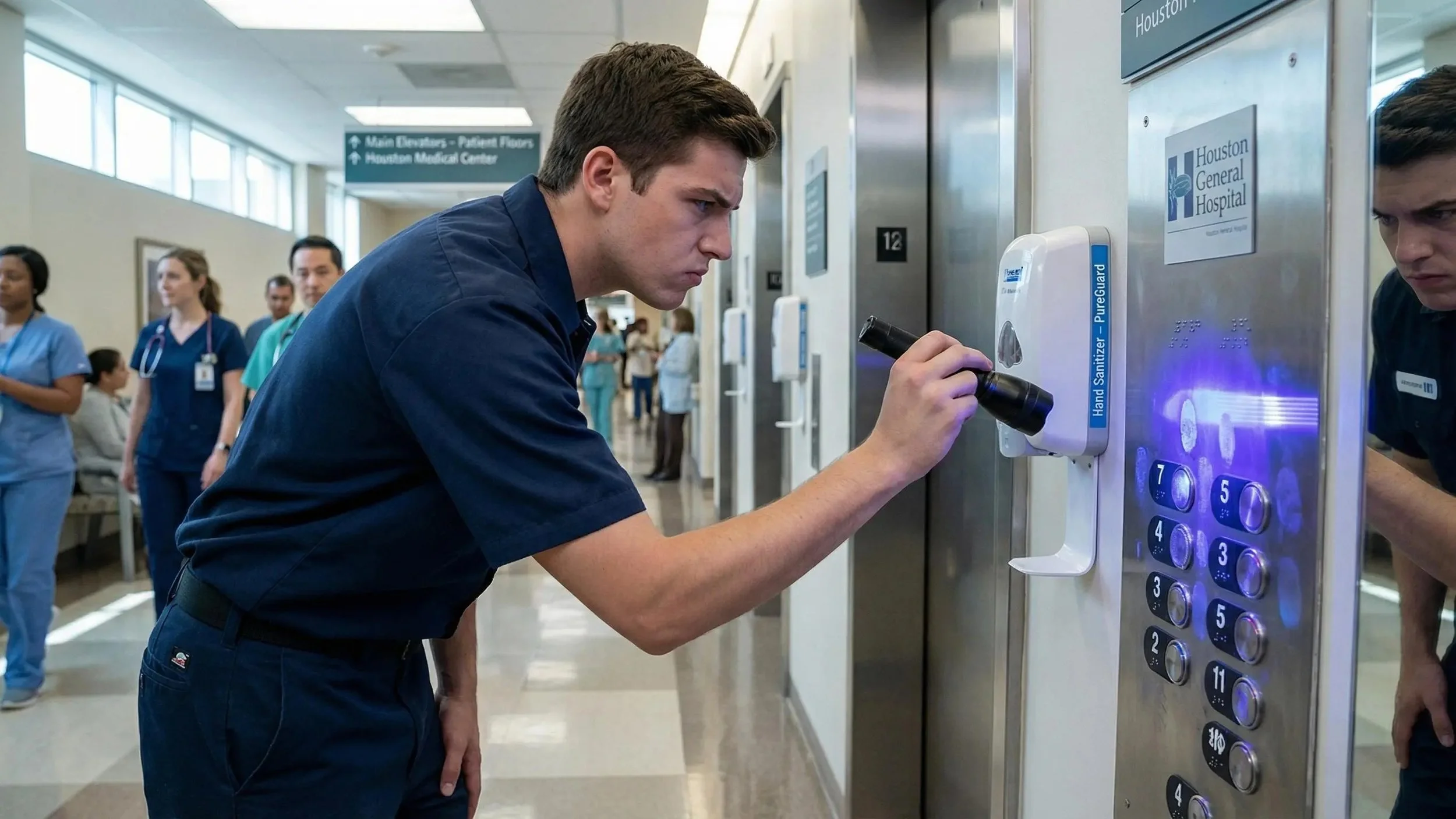
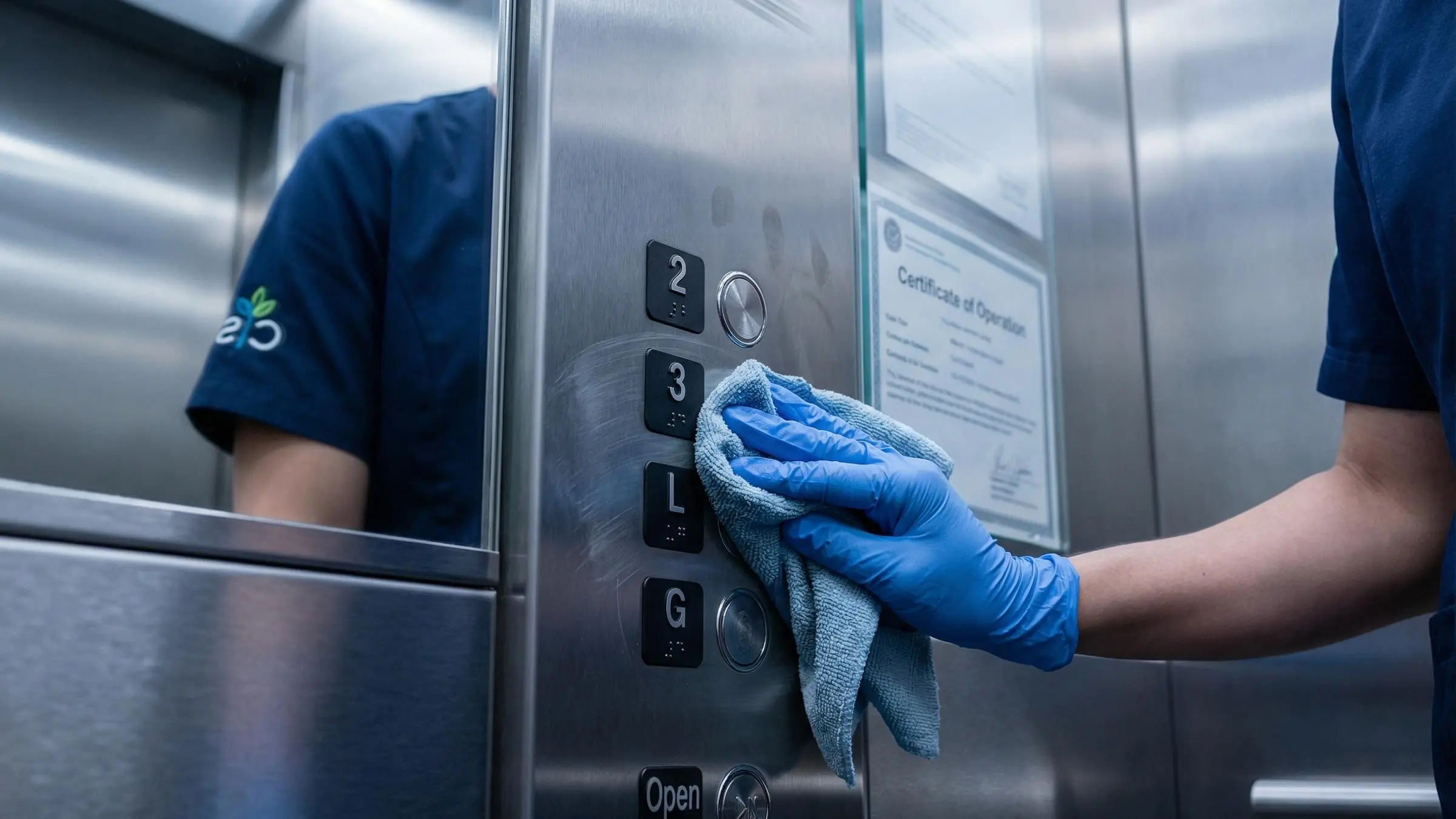
In practice, that means trained crews following standardized task lists, not informal habits that change by shift or by person. High-touch points need routine disinfection. Door handles, desks, faucets, elevator buttons, shared equipment, and push plates don’t clean themselves between uses.
A building that looks fine can still be working against you. Dust on vents, grime in corners, and residue on touchpoints quietly affect comfort and confidence long before anyone files a complaint.
When commercial cleaning in Houston is done right, people notice fewer distractions. The air feels better. Restrooms hold up. Shared spaces feel cared for. That matters for wellness, attendance, and how people feel walking in on a Monday morning.
Clean isn’t a look. It’s a control system.
2. Professional Cleaning Helps Reduce Employee Sick Days and Disruptions
Absenteeism rarely starts with one dramatic event. More often, it comes from routine exposure in shared spaces that aren’t being cleaned with enough discipline.
Offices, schools, waiting areas, and breakrooms move germs quickly. One contaminated faucet handle or shared microwave button can do more work than most people realize. Workstations, restrooms, kitchens, and common surfaces need regular disinfection if you want to reduce cross-contamination risk instead of reacting after people start missing shifts.
Indoor air matters too. So does the dust you don’t see at eye level. HEPA-filter vacuuming, regular dust removal, and high dusting help cut down irritants that leave people feeling run down by the second afternoon.
Missed workdays don’t stay isolated. They affect schedules, service levels, morale, and who has to cover the gap.
In higher-traffic properties, once-nightly service may not be enough. That’s where day porter support earns its keep. Restroom touch-ups, spill response, lobby upkeep, and daytime disinfection can keep a building stable between heavier cleanings.
Commercial cleaning Houston operators value is partly prevention. If you wait for symptoms, odors, or complaints, you’re already late.
3. A Cleaner Facility Creates a Stronger First Impression for Visitors, Staff, and Stakeholders
People judge a facility before anyone from your team says a word. They notice the glass, the floor edges, the restroom smell, the dust on vents, the stained carpet by the entry. It happens fast.
That’s true in client-facing offices, schools, churches, transportation facilities, and medical buildings. Trust starts forming at the door.
A polished environment signals a few things right away:
your operation is disciplined
details don’t get ignored
occupants are taken seriously
standards are being maintained, not patched together
Appearance and sanitation are usually judged together. A dirty floor suggests missed cleaning. A restroom odor suggests something larger than odor. People connect visible neglect to invisible risk.
Reactive cleanup rarely fixes that. It just resets the problem for a day. Commercial cleaning companies Houston decision-makers compare should be evaluated on consistency as much as price, because consistency is what keeps the building presentation-ready every day, not just before a visit.
4. Outsourcing Cleaning Frees Your Team to Focus on Core Operations
We’ve seen this more than once. Cleaning becomes “everyone’s job,” which usually means it becomes nobody’s job until something goes wrong.
Then your office manager is chasing keys. A supervisor is covering a missed shift. Someone in operations is ordering paper goods at 4:30 p.m. None of that is their real job, but it still lands on their desk.
Outsourcing takes that management load off your internal team. You’re not hiring cleaners, training them, replacing absences, maintaining equipment, or trying to enforce standards without the right structure. A strong commercial cleaning company Houston TX businesses trust brings labor, supervision, systems, supplies management, and accountability together.
In-house can look cheaper on paper. It often isn’t once you count turnover, oversight, supply control, equipment issues, and the hours your leadership spends dealing with avoidable friction.
This is an operations decision, not a housekeeping decision. If your team is managing the cleaning program instead of managing the facility, the setup is already costing you.
5. Commercial Cleaning Protects Flooring, Furnishings, and Building Assets
Dirt is abrasive. Moisture is patient. Neglect gets expensive.
Flooring takes the hit first. Carpet holds soil deep below the surface. VCT loses finish and starts wearing unevenly. Tile and grout darken, then become harder and more expensive to restore. By the time it looks bad, the damage has usually been building for months.
Routine janitorial work should connect to longer-term maintenance planning. If it doesn’t, you end up replacing assets early and calling it bad luck.
A solid plan often includes periodic services like:
carpet extraction every 6 to 12 months
VCT stripping and waxing 1 to 2 times per year
quarterly high dusting in areas above normal line of sight
A provider offering commercial cleaning Houston facilities need should build those items into the scope where they belong. Not as an afterthought. Not after the floor has already lost years of usable life.
Preventive maintenance protects appearance, but it also protects budget. That’s the part people usually learn late.
6. Trained W-2 Crews Offer More Accountability Than Subcontracted Labor
Not all labor models carry the same level of control. Facility managers should pay attention here.
Directly employed W-2 crews usually mean better training, clearer supervision, tighter accountability, and more consistent service. The company knows who is on site, how they were trained, who is coaching them, and how performance is being managed.
Subcontracted labor introduces more uncertainty than many buyers expect. Who hired them? Who trained them? Who is responsible when a procedure is missed or a security issue comes up?
In sensitive facilities, that uncertainty matters. Schools, medical sites, churches, and office buildings need people in the building who are background-checked, insured, and tied to a real chain of supervision.
Many facility leaders prefer houston commercial cleaning companies that don’t subcontract for exactly that reason. The service may look similar in a proposal. It doesn’t operate the same once the work starts.
7. Quality Control Systems Catch Problems Before They Become Complaints
No cleaning program is perfect every night. The real question is whether the provider has a system that catches issues before you have to chase them down.
That system should be visible. Job cards, cleaning logs, inspections, audits, issue tracking, documented follow-up. Not vague promises about “great service.”
Here’s what strong quality control usually includes:
scheduled inspections by supervisors
documented correction when something is missed
reporting that gives you real visibility
escalation steps when patterns show up
Standardized checklists matter more than people think. They create consistency across crews, shifts, and building types. Without them, quality depends too much on memory and personality. That’s not a system.
For facility managers, proactive quality checks reduce surprise issues and cut down on avoidable emails. Peace of mind is a real deliverable in professional commercial cleaning in Houston.
8. Better Safety Practices Reduce Risk for Occupants and Vendors
Cleaning is a safety function. In healthcare, industrial, airport, and education environments, that’s not optional.
Poor chemical handling, wet floors without controls, improper PPE use, or careless equipment operation can create liability fast. A vendor can make a building less safe while trying to make it look cleaner. We’ve seen that happen.
A serious safety program should include more than a binder on a shelf. Monthly safety training, field inspections, hazard communication, documented SDS access, and leadership that actually enforces the rules all matter.
Especially in complex sites, buyers should ask hard questions:
how are slip hazards controlled during active hours?
what PPE is required by site and by task?
how are chemicals labeled, stored, and handled?
who verifies safe work practices in the field?
A commercial cleaning company Houston facility leaders choose should be able to operate safely in demanding environments, not just simple office space. Safety isn’t extra. It’s part of competent service.
9. Site-Specific Security Procedures Matter in Commercial Facilities
After-hours cleaning means access. Access means risk if the provider isn’t disciplined.
Keys, badges, alarms, lock-up, restricted rooms, door status, entry points. These are everyday details, but they carry real consequences in offices, schools, churches, medical spaces, and airports.
One-size-fits-all security training isn’t enough. Cleaners should be trained for the exact site they’re servicing, including lock-in and lock-out procedures, alarm expectations, access limits, and what to do when something looks off.
A strong operator treats security routines like cleaning routines. They’re documented. They’re trained. They’re checked.
Commercial cleaning companies Houston buyers evaluate should be compared on operating procedures, not just service lists. If you’re not onsite during service hours, trust has to rest on more than good intentions.
10. Green Cleaning Supports Health Goals Without Sacrificing Performance
Green cleaning gets watered down too often into a label. In commercial settings, it should mean a practical system that supports health and still performs.
That includes non-toxic and biodegradable chemicals where appropriate, microfiber cloths that trap soil effectively, HEPA-filter vacuums that improve dust control, and energy-efficient equipment that supports cleaner operations overall.
Done right, LEED-aligned practices can help reduce chemical exposure and support better indoor air quality. That matters in schools, healthcare-adjacent spaces, and facilities with wellness or ESG goals. It also matters in any building where occupants are sensitive to odors, residue, or poor ventilation.
Some buyers still assume sustainable cleaning is softer cleaning. It shouldn’t be. A commercial cleaning company Houston partners trust should be able to align health and sustainability goals without lowering standards.
11. Specialized Facilities Need Industry-Specific Cleaning Strategies
A generic office-cleaning model doesn’t transfer cleanly across every facility type. Different buildings carry different risks, traffic patterns, and sensitivities.
A few examples make that clear:
Offices need reliable routines, restroom sanitation, access control, and minimal disruption.
Schools and colleges need flexible night or weekend scheduling, classroom disinfection, and support around events.
Medical facilities need stronger sanitation discipline and staff who understand sensitive environments.
Industrial sites need custom PPE, safe work around machinery, and crews trained for plant conditions.
Airports need scalable service, public area support, secure access discipline, and documentation.
Churches need respectful conduct, background-checked staff, and schedules that fit services and gatherings.
Houston TX commercial cleaning services should be judged on sector fit, not broad claims. If a provider can clean a basic office but can’t handle your operating environment, the proposal isn’t as strong as it looks.
12. Emergency and Specialty Services Add Operational Resilience
Not every cleaning need is routine. Renovations happen. Spills happen. Weather happens. Staffing gaps happen.
That’s where service breadth becomes operationally useful. A commercial cleaning company Houston organizations rely on for more than nightly janitorial work can help reduce vendor sprawl and speed up response when the plan changes.
Useful specialty support often includes post-construction cleaning, power washing, parking lot striping, emergency cleaning, and temporary labor staffing. Those aren’t side offerings if you manage a busy property. They’re part of staying functional.
Post-construction cleaning matters after tenant improvements and renovations. Emergency cleaning matters when you’re dealing with floods, spills, biohazards, or urgent sanitation needs. Temporary staffing can help during events or short-handed periods when the building still has to perform.
13. The Right Cleaning Partner Becomes a Long-Term Operational Asset
The best provider relationships don’t feel like constant supervision. They feel steady.
Over time, consistency, communication, reporting, and shared standards reduce stress for facility managers. You spend less time checking up, following up, and solving the same problem twice. That’s a real operational benefit.
Commercial cleaning companies Houston businesses keep long term are usually the ones delivering accountability, not just labor. They understand the building, adjust to traffic patterns, protect high-risk areas, and maintain the scope without needing constant correction.
This isn’t commodity purchasing. It’s strategic procurement tied to health, productivity, asset life, safety, security, and reputation.
What to Look for When Comparing Commercial Cleaning Companies in Houston
When you’re evaluating options, don’t stop at price and a service list. Push into how the work is actually managed.
Use a checklist like this:
Are crews W-2 employees or subcontractors?
Are background checks part of hiring?
How are staff trained for your site and facility type?
What safety training and documentation are in place?
How does the inspection process work?
What reporting will you actually receive?
How are missed services or complaints escalated and corrected?
Is the scope site-specific, or is it a generic proposal?
Are green cleaning options available?
Are disinfectants and tools appropriate for your environment?
Can they handle routine janitorial work, disinfection, and periodic floor maintenance under one plan?
Do they have experience in medical, industrial, airport, education, or other sensitive environments like yours?
Compare total operational value, not just the monthly number.
Common Mistakes Facility Managers Make When Hiring a Commercial Cleaning Provider
Most hiring mistakes aren’t dramatic. They’re procurement shortcuts that create problems later.
Common ones include choosing the lowest bid without checking supervision or quality systems, assuming all vendors train the same way, overlooking subcontracted labor, and failing to define high-touch areas or service frequencies clearly in the scope.
Another one shows up all the time: treating daily cleaning and periodic deep cleaning as separate issues. They should be planned together. So should security procedures for after-hours access, reporting expectations, and emergency response.
A provider that can handle a small office may not have the controls for a medical site, school, airport, or industrial facility. That’s not a character flaw. It’s just a mismatch. The mistake is hiring past the vendor’s real operating strength.
Conclusion
Hiring a commercial cleaning company is about a lot more than appearance. It affects health, attendance, asset life, safety, security, and the daily stability of your operation.
The strongest providers bring trained in-house crews, structured quality control, strong safety practices, and site-specific service plans that match how your building actually runs. That’s the standard worth comparing against.
If you’re reviewing your current setup, start simple. Look at your cleaning scope, identify your highest-risk areas, and ask whether your provider is really delivering the consistency and accountability your facility requires. That question usually tells you a lot.