
Commercial Cleaning for Houston’s Galleria and Uptown District: Standards for High-End Retail and Class A Office Spaces
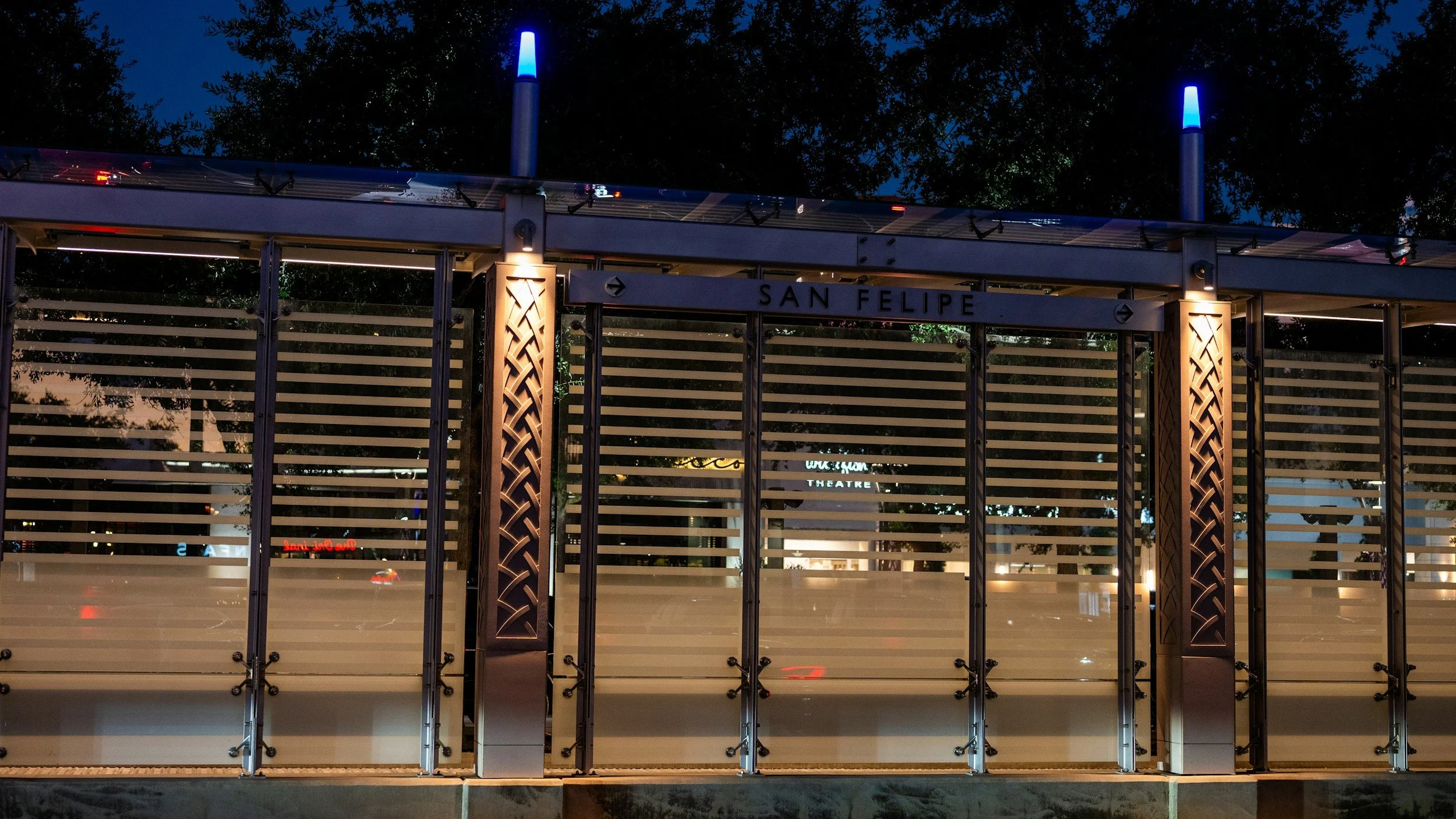
PJS OF HOUSTON | BLOG ARTICLE | GALLERIA UPTOWN HOUSTON COMMERCIAL CLEANING
A guide for property managers, building owners, and facility directors responsible for Class A office towers, luxury retail corridors, and mixed-use properties in Houston’s Galleria and Uptown district — covering what the cleaning standard here actually demands, and what separates vendors who can deliver it from those who can’t.
Uptown Houston is not Houston’s second downtown. It is Houston’s most prestigious commercial district — a concentration of Class A office towers, luxury retail anchors, international hotels, and high-end mixed-use development that has no parallel in the city and few rivals in the southern United States. With 28 million square feet of commercial office space representing 22 percent of all Houston Class A inventory, 6.3 million square feet of retail including the Galleria Mall’s 400 stores, 35 million annual visitors to the Galleria complex alone, and Class A office rents consistently ranking among the highest in the Houston metro at $33 per square foot or above, the Galleria and Uptown district operates at a standard that is simply different from anywhere else in the city.
Williams Tower — 64 stories, 1.4 million square feet, the tallest building in the Western Hemisphere located outside a downtown business district — anchors a Post Oak Boulevard skyline shared by Marathon Oil Tower, Four Oaks Place, The Lake on Post Oak, and dozens of other Class A and Class AA properties housing 2,000 companies and some of the most recognizable corporate names in energy, finance, and professional services. Directly adjacent, Neiman Marcus, Nordstrom, and Saks Fifth Avenue anchor a retail environment where lease rates run $35 to $55 per square foot and where the appearance of every shared surface is part of the brand standard the retailers have negotiated in their leases.
This environment creates a cleaning standard that is categorically different from what a general commercial janitorial contract delivers. Property managers and building owners in the Galleria and Uptown district know this acutely: a lobby that serves tenants paying $33 per square foot expects something that looks and feels different from a building charging $20. A luxury retailer whose brand identity is built on precision and presentation will not tolerate a mall corridor that looks like it was cleaned four hours ago. The gap between acceptable and excellent is narrow here — and the consequences of falling on the wrong side of it are visible immediately.
This guide is written for the people responsible for maintaining that standard: property managers, building directors, and facility administrators in the Galleria and Uptown district who carry the accountability for how their buildings present every day, to every tenant, every visitor, and every prospective client touring available space.
Why the Galleria and Uptown District Sets Houston’s Highest Commercial Cleaning Bar
Several characteristics of the Galleria and Uptown market converge to create cleaning demands that exceed what standard commercial janitorial programs are designed to address.
The Tenant Roster Is Unforgiving
The Uptown district’s tenant profile reads across energy majors, global financial institutions, international law firms, and the regional headquarters of companies that operate at the highest level of business sophistication. Apache Corporation, Air Liquide, Schlumberger, Duke Energy, Marathon Oil, Aon, CBRE, and scores of comparable tenants share a common expectation: the building they chose for their Houston presence should reflect the quality of their brand. A lobby that is inconsistently maintained, an elevator bank that shows poor attention to detail at close range, or restrooms that don’t hold their standard through a full business day are noticed immediately by tenants who have the leverage and the alternatives to act on what they notice.
In a market where Class A buildings are competing aggressively for tenants in a period when Houston’s overall office vacancy sits above 27 percent, the building’s physical presentation is a direct leasing variable. Property managers know it. Brokers know it. And cleaning vendors who don’t know it are a liability to the buildings they serve.
The Luxury Retail Component Sets the Presentation Clock
The Galleria’s 35 million annual visitors — including a significant international tourist population drawn to Neiman Marcus, Nordstrom, Saks Fifth Avenue, Louis Vuitton, Tiffany & Co., and over 400 other retailers — create a cleaning environment where the public-facing standard never gets a break. International shoppers accustomed to the maintenance standards of Harrods in London, the Galeries Lafayette in Paris, or the luxury mall environments of the Gulf states arrive in Houston with internalized reference points for what a world-class retail environment looks like.
Luxury retail tenants negotiate cleaning standards into their lease agreements. A smudged display window on a Galleria-facing storefront, a sticky floor in a common walkway during peak shopping hours, or a restroom near a luxury anchor that hasn’t been serviced in two hours are not acceptable in the context of what tenants here have signed leases to receive. Day porter coverage calibrated for this traffic volume and this tenant expectation is not a premium service option — it is the operational baseline.
The Building Finishes Are Premium and Unforgiving
Williams Tower’s 88-foot granite arched entry. Four Oaks Place’s marble lobby floors. The glass curtainwall exteriors that define Post Oak Boulevard’s architectural identity. These finishes are not merely aesthetic choices — they are the physical statement that justifies Class A rental rates and differentiates these buildings from their competitors. They are also materials that require specialized knowledge to clean correctly.
Polished granite and marble show every footprint, every water spot, and every cleaning product residue left by an incorrectly applied chemical. Glass curtainwall at scale — the kind that runs floor-to-ceiling in a lobby that height-matches a ten-story building in another submarket — telegraphs every streak and smear in direct sunlight. Stainless steel elevator interiors, brushed nickel fixtures, and architectural metal finishes each require material-specific cleaning chemistry to maintain their appearance without damage. A cleaning workforce without the product knowledge and technique for these surfaces will damage them gradually and visibly, creating a maintenance liability that compounds over time.
The Mixed-Use Environment Creates a Complex Cleaning Ecosystem
The Galleria district is not a single-use environment. A property manager in this district may be responsible for a building that includes Class A office tenants on upper floors, ground-level retail facing a heavily trafficked street or mall corridor, a parking structure serving thousands of daily users, a fitness or amenity floor serving office tenants, and common area corridors shared by all of these populations simultaneously. Each use generates different cleaning requirements, different traffic patterns, different soil loads, and different time-sensitivity.
The office lobby that needs to be immaculate at 7 AM for executive arrivals is the same lobby that is tracking water and debris at 8:30 AM during a Houston thunderstorm. The retail corridor that needs a daytime maintenance pass every two hours during peak weekday traffic needs a deeper cleaning cycle after the late-night weekend shopping crowd has cleared. A cleaning program that cannot flex across these use types and time demands within a single property is not built for this environment.
Zone-by-Zone: What the Standard Actually Looks Like
Class A Lobby and Entry Sequences
In a Galleria or Uptown Class A office building, the lobby is where the leasing decision is made or reconsidered every single day. Tenants who bring clients to meetings, executives who enter the building for investor presentations, and prospective tenants touring available floors all form their impression of the building within the first thirty seconds of entry. That impression is almost entirely determined by the lobby’s physical condition at that moment.
The lobby cleaning standard in this district goes beyond daily maintenance. It requires real-time upkeep through the morning arrival window, which in a high-occupancy Uptown building means managing the impact of hundreds or thousands of arrivals compressed into a ninety-minute peak. Polished hard floors need immediate attention when rain tracking occurs. Glass entry doors need to be clean from both interior and exterior faces throughout the day, not just at opening. The reception desk or concierge area, where it exists, must be spotless as a statement of building management quality.
For buildings with monumental lobby features — the kind of double-height atria, statement staircases, and water features that distinguish Class AA properties in this submarket — cleaning the lobby means cleaning an architectural statement. Every surface material, at every height, must be maintained with chemistry and technique appropriate to that specific material. This is specialist work, not general janitorial labor.
Executive and Tenant Conference Facilities
Uptown tenants use their conference rooms for some of the most commercially significant meetings in the Houston market — deal signings, board presentations, client pitches, regulatory meetings, and executive reviews. The standard for these rooms is demanding and the timeline for preparation is often short. A law firm’s client closing dinner may be confirmed the morning of. An energy company’s last-minute executive arrival may require an immediate conference room turnaround that was not on the schedule an hour earlier.
Conference room cleaning in this environment means: complete surface disinfection and polishing; glass wall and partition cleaning to streak-free condition; floor care to the edges and corners where debris concentrates around chair bases; AV surface care with non-abrasive chemistry; correct chair positioning; and a pre-use walkthrough that confirms readiness before the meeting begins. A cleaning vendor that cannot deliver this on an unplanned basis — when the phone call comes at noon for a 2 PM meeting — is not the right partner for a building where this kind of need is a regular occurrence.
High-Traffic Restrooms Across Multiple Floors
A Class A office building with 40,000 square feet per floor and twenty occupied floors is moving several thousand people through its restrooms every business day. A building with retail on the ground floor adds foot traffic from a population that has no other restroom option within reasonable distance. The combination creates a restroom servicing requirement that a single overnight cleaning cycle cannot address.
Restrooms in Galleria and Uptown buildings require structured day porter coverage: defined rotation schedules rather than as-available servicing; paper supply management that prevents running out during peak midday periods; odor management calibrated to the volume; and immediate response capability when a situation arises between scheduled service passes. In a building where tenants are paying $33 per square foot, a restroom that runs out of paper at 11 AM or has an odor issue during the lunch hour is a property management failure — regardless of whose crew it technically belongs to.
Luxury Retail Corridors and Storefronts
Retail cleaning in the Galleria district operates on a different clock than office cleaning. Retail environments generate peak soil loads during shopping hours — daytime and evening, with particular intensity on weekends — which means that the overnight cleaning cycle alone is insufficient. Shared mall corridors adjacent to luxury tenants require daytime maintenance passes timed around customer traffic patterns. Storefronts with high-gloss window glass need streak-free cleaning before the store opens, because the Neiman Marcus customer arriving at 10 AM on a Saturday morning is looking at that window with the same critical eye they bring to evaluating the merchandise inside it.
Floor materials in luxury retail environments — polished stone, high-gloss ceramic tile, hardwood, and specialty terrazzo — each require their own cleaning protocol and their own chemistry. A cleaning vendor that mops a polished marble retail floor with the same diluted all-purpose cleaner they use on a vinyl office floor is creating a long-term damage and liability situation that the property manager will be managing long after that vendor’s contract ends.
Hotel and Hospitality Components
The 39 hotels in the Uptown district — including the two Westin properties within the Galleria complex itself, the St. Regis Houston, and a range of comparable luxury and business-class properties — add a hospitality cleaning dimension to the district’s mixed-use environment. For properties managing both office and hotel components, cleaning programs must be coordinated across use types that operate on different schedules and hold their spaces to different standards. Hotel common areas, lobbies, and conference facilities operate under hospitality presentation expectations that are distinct from office standards, with particular sensitivity to guest-facing areas during check-in and check-out periods.
Parking Structures and Exterior Entry Points
The Galleria district’s parking structures are among the most heavily utilized in Houston. Williams Tower’s adjacent parking, the Galleria’s multi-level garages, and the structured parking serving Class A properties along Post Oak Boulevard collectively process tens of thousands of vehicles daily. Parking structure maintenance — elevator lobbies within garages, stairwells, garage entry and exit points, and pedestrian connection corridors to building lobbies — is the first physical environment most tenants and visitors encounter, and its condition is read as a signal about the building’s overall management quality.
In Houston’s climate, parking structure maintenance has specific urgency: rain events deposit mud, debris, and standing water through garage entry points; summer heat accelerates organic odor in poorly maintained drain areas; and the high traffic of a premium office market means that debris accumulates faster than in lower-occupancy properties. A cleaning program that treats parking structures as a low-priority afterthought is leaving the first impression of the building to chance.
The Property Manager’s Perspective: What a Cleaning Vendor Must Deliver
Property managers at Galleria and Uptown buildings manage cleaning vendor relationships differently from how individual tenants do. The stakes are different: a tenant who is unhappy with their cleaning vendor can switch. A property manager who is unhappy with the building’s cleaning vendor is managing the relationship directly and bearing the accountability for the building’s presentation to every current and prospective tenant simultaneously.
The specific expectations that define a cleaning vendor’s performance from the property manager’s perspective are distinct from what individual tenants prioritize:
Portfolio-wide consistency across every floor and zone. A property manager’s credibility with tenants depends on the building performing to a consistent standard — not on the lobby being excellent while the 18th floor restroom is inconsistent. Cleaning programs must be structured to deliver the same standard across every area they cover, every night, not just in the zones most likely to be noticed.
A single point of contact with authority and accountability. When a tenant calls with a cleaning issue, the property manager needs one person at the cleaning vendor who can make decisions and deploy a response — not a call center, not a message that gets routed through three people before someone acts. A dedicated account manager who knows the building, knows the tenants, and has the authority to respond is the operational expectation in this market.
Documented quality control available on demand. Property managers at Class A buildings are accountable to building owners, institutional investors, and tenants who conduct their own assessments. Written inspection records, supervisor walkthrough logs, and documented issue resolution histories are not nice-to-have — they are the paper trail that demonstrates management quality when it is questioned. A cleaning vendor without a formal written QC program is exposing the property manager to accountability risk.
Proactive communication, not reactive damage control. The cleaning vendors who earn long-term relationships in the Galleria and Uptown market are the ones who flag developing issues before they become tenant complaints, who communicate proactively when scheduling changes affect coverage, and who treat the property manager as a partner rather than a client to be managed at arm’s length. Reactive vendors who only surface when something has already gone wrong are the ones property managers replace.
Flexibility for unplanned building events and tenant needs. The Galleria and Uptown market generates unplanned cleaning needs constantly: a major corporate client touring a vacant floor on two hours’ notice, a tenant event that requires setup and post-event breakdown cleaning, a weather event that creates lobby tracking issues across the building simultaneously, a pre-lease showing that requires the building to look its absolute best on a day’s notice. The cleaning vendor that can respond to these needs without extended lead times is the one that makes the property manager’s job manageable.
Workforce stability and low turnover. High-turnover cleaning operations deliver inconsistent results by definition. In a premium building, consistency is the standard — not good cleaning some nights and acceptable cleaning on others. A vendor who invests in their workforce, retains their best people, and maintains stable assignments at client properties provides the building-specific institutional knowledge that produces reliable results. Ask directly about employee tenure and turnover rates.
The LEED and Sustainability Dimension in Uptown’s Premium Buildings
Many of the most prestigious buildings in the Galleria and Uptown district hold LEED certification — Williams Tower, Four Oaks Place, and a number of other Class A properties in the submarket have pursued green building recognition as both a sustainability commitment and a tenant attraction differentiator. LEED certification imposes requirements on cleaning programs: cleaning products must meet Green Seal or equivalent environmental standards; equipment used in the building should meet defined performance thresholds; and the cleaning program must support the building’s documented indoor air quality management plan.
For property managers managing LEED-certified or LEED-seeking buildings, a cleaning vendor whose program is built around conventional high-VOC chemistry is not just a sustainability mismatch — it is potentially a certification compliance issue. LEED O+M (Operations and Maintenance) certification, which addresses the ongoing performance of existing buildings, includes specific credits for cleaning programs and products. A vendor aligned with LEED green cleaning standards supports the building’s certification maintenance rather than working against it.
Beyond LEED, tenants at Class A Uptown buildings increasingly include sustainability commitments in their own corporate reporting and prefer vendors whose supply chains reflect those values. A cleaning vendor whose program demonstrably reduces chemical exposure for building occupants, minimizes waste through appropriate dilution control systems, and uses HEPA filtration to prevent the recirculation of fine particles into the air occupants breathe is a vendor whose approach aligns with what premium tenants in this market are increasingly asking about.
Why PJS of Houston Is Built for the Galleria and Uptown Standard
PJS of Houston has spent nearly three decades building a cleaning organization specifically designed for facilities where performance expectations are non-negotiable and where the gap between a good cleaning vendor and the right one is measured in tenant retention, lease renewal rates, and the physical presentation of buildings that have to compete at the highest level of the Houston market.
For property managers and building owners in the Galleria and Uptown district, we bring:
A team cleaning structure with color-coded specialists — Light Duty (GREEN), Vacuum (BLUE), Restroom (RED), and Utility (YELLOW) — producing the consistency that premium buildings require across every floor and every zone
ProTeam Super CoachVac HEPA-filtration vacuuming at 99.97% capture efficiency — removing fine particulates from carpeted surfaces rather than redistributing them into the indoor air quality of buildings whose tenants chose them for their environment
LEED-aligned green cleaning protocols using Stearns and PortionPac chemistry — low-VOC, appropriate for premium finished surfaces, and aligned with LEED O+M cleaning credit requirements
Specialist knowledge for Class A surface materials — polished stone, architectural glass at scale, stainless steel, brushed metal, and high-gloss finishes — with product selection calibrated to protect rather than degrade premium finishes over time
Day porter services structured and trained for a luxury environment standard — not general building porter coverage, but a program built around the specific time demands of Class A office, retail, and mixed-use properties in this district
A full-time OSHA 30-certified Safety Compliance Manager overseeing all operations, with documented safety protocols and a Safety Field Officer providing ongoing compliance oversight
Thorough employee background checks reviewed by PJS leadership before any personnel is assigned to a building — the standard that building owners and institutional investors require
Biometric workforce accountability technology providing transparent, verifiable documentation of coverage
Dedicated account management with a single point of contact who knows the building, knows the tenants, and has the authority to respond when something needs to happen
Written quality control documentation from supervisor inspections on a defined schedule — available to property managers as evidence of program performance for tenant conversations and owner reporting
Flexible scheduling and same-day response capability for pre-showing preparation, tenant events, and unplanned coverage needs
The Galleria and Uptown district demands the best of everything it hosts. The cleaning standard is no different. PJS of Houston is built to meet it.
Your Building’s Presentation Is Your Leasing Argument. Make It Count.
PJS of Houston provides professional commercial cleaning and day porter services for Class A office towers, luxury retail properties, mixed-use developments, and multi-tenant buildings throughout Houston’s Galleria and Uptown district.
➡ Request a consultation: www.pjsofhouston.com/contact
➡ Call us: (713) 850-0287
Frequently Asked Questions
What makes cleaning in the Galleria and Uptown district different from standard commercial office cleaning?
The Galleria and Uptown market concentrates several factors that collectively raise the cleaning standard above what a standard commercial janitorial contract addresses: premium building finishes that require specialist surface knowledge and material-specific chemistry; luxury retail tenants with presentation standards written into their leases; Class A office tenants whose expectations are calibrated to buildings charging $33 per square foot or more; 35 million annual visitors to the Galleria complex who bring international reference points for what a premium retail environment looks like; and a mixed-use environment that combines office, retail, hospitality, and parking within a single property or block. A cleaning program that performs adequately in a standard office park will fall short in this environment, often in ways that are immediately visible to everyone the building is trying to impress.
How does day porter coverage need to be structured for a Class A Galleria-area office building?
Day porter coverage in a Class A Uptown building needs to be structured around the building’s actual traffic patterns rather than a generic coverage model. Morning arrival peaks require lobby floor maintenance and entry glass attention during a compressed ninety-minute window. Restroom rotations should be defined by floor assignment and traffic volume, with higher-occupancy floors serviced more frequently than lower-traffic areas. Conference room turnarounds need to happen on an unplanned basis when back-to-back bookings require rapid reset. And the porter team needs to be reachable and deployable for immediate response to spills, pre-showing preparation, or weather-related entry tracking — not on a radio channel that gets checked periodically. The standard is a team that makes the property manager’s phone not ring with cleaning complaints, which requires proactive coverage rather than reactive response.
What should a property manager look for when evaluating cleaning vendors for a LEED-certified Uptown building?
For LEED-certified buildings, start by confirming whether the vendor’s cleaning products meet the Green Seal GS-37 standard or an equivalent recognized by the LEED rating system being used. Ask specifically whether their program supports LEED O+M Cleaning credits and whether they can provide product documentation for certification maintenance purposes. Beyond LEED compliance, evaluate whether their equipment program includes HEPA-filtration vacuuming — relevant for indoor air quality credits — and whether their dilution control systems reduce chemical waste and concentrated product exposure. A vendor who cannot answer these questions fluently is probably not routinely working in LEED-certified environments.
How should the cleaning scope differ for the retail floors versus the office floors in a mixed-use Galleria building?
Retail floors require daytime cleaning coverage aligned with shopping hours, with particular attention to shared corridor cleaning passes between the morning open and peak afternoon traffic, and a deeper cleaning cycle after evening close. Floor materials in retail environments often include polished stone and specialty tile that require different chemistry and technique than standard office flooring. Window and storefront glass cleaning must happen before store opening hours to meet luxury tenant standards. Office floors require the standard nightly cleaning cycle supplemented by day porter coverage for restrooms, lobbies, and conference rooms during business hours. The cleaning program should document these distinct scopes explicitly rather than applying a single scope to both uses, because the needs, timing, and surface specifications are genuinely different.
What documentation should a cleaning vendor provide to the property manager of a Class A Uptown building?
At minimum: written supervisor inspection logs on a defined schedule (weekly is appropriate for Class A properties, with spot checks between formal inspections); issue identification and resolution documentation tracking how deficiencies are found, reported, and corrected; personnel assignment records identifying who is assigned to the building and what background screening they have undergone; and product documentation covering the cleaning chemistry used in each zone, particularly for LEED-certified buildings. The property manager should be able to produce this documentation on demand for tenant conversations, owner reporting, or LEED certification reviews. A vendor who provides verbal quality assurances but no written documentation is exposing the property manager to accountability risk that premium buildings in this market cannot afford.
Does PJS of Houston service properties throughout the Galleria and Uptown district?
Yes. PJS of Houston provides commercial cleaning and day porter services for office towers, retail properties, mixed-use developments, and multi-tenant buildings throughout the Galleria and Uptown district, including properties along Post Oak Boulevard, Westheimer, San Felipe, and the surrounding submarket. We are familiar with the building types, tenant expectations, and property management standards of this district and structure every engagement around the specific requirements of the property and its tenants.
PJS of Houston • 4801 Milwee St. Houston, TX 77092 • (713) 850-0287 • www.pjsofhouston.com
In this article: commercial cleaning Galleria Houston, Uptown Houston office cleaning, Galleria district janitorial service, Class A office cleaning Houston, luxury retail cleaning Houston TX